How Appetite Suppressants Work: The Real Mechanisms Behind Feeling Full
Quick Answer: How Do Appetite Suppressants Actually Work?
Appetite suppressants curb hunger through three physical mechanisms: soluble fiber swells with water to create gastric stretch that signals fullness, protein and fermented fiber raise satiety hormones like GLP-1 and PYY (a randomised trial of soluble fibre dextrin measured exactly these subjective and physiological markers of appetite), and steadier blood sugar reduces the crash-driven cravings that trigger snacking. They work best taken before meals with a full glass of water.
- Volume: soluble fiber expands in the stomach, creating gentle stretch that tells the brain you have eaten.
- Hormones: protein and fermented fiber lift GLP-1 and PYY, the signals that switch hunger off.
- Timing: take fiber 30 to 40 minutes before a meal with plenty of water so it can gel safely.
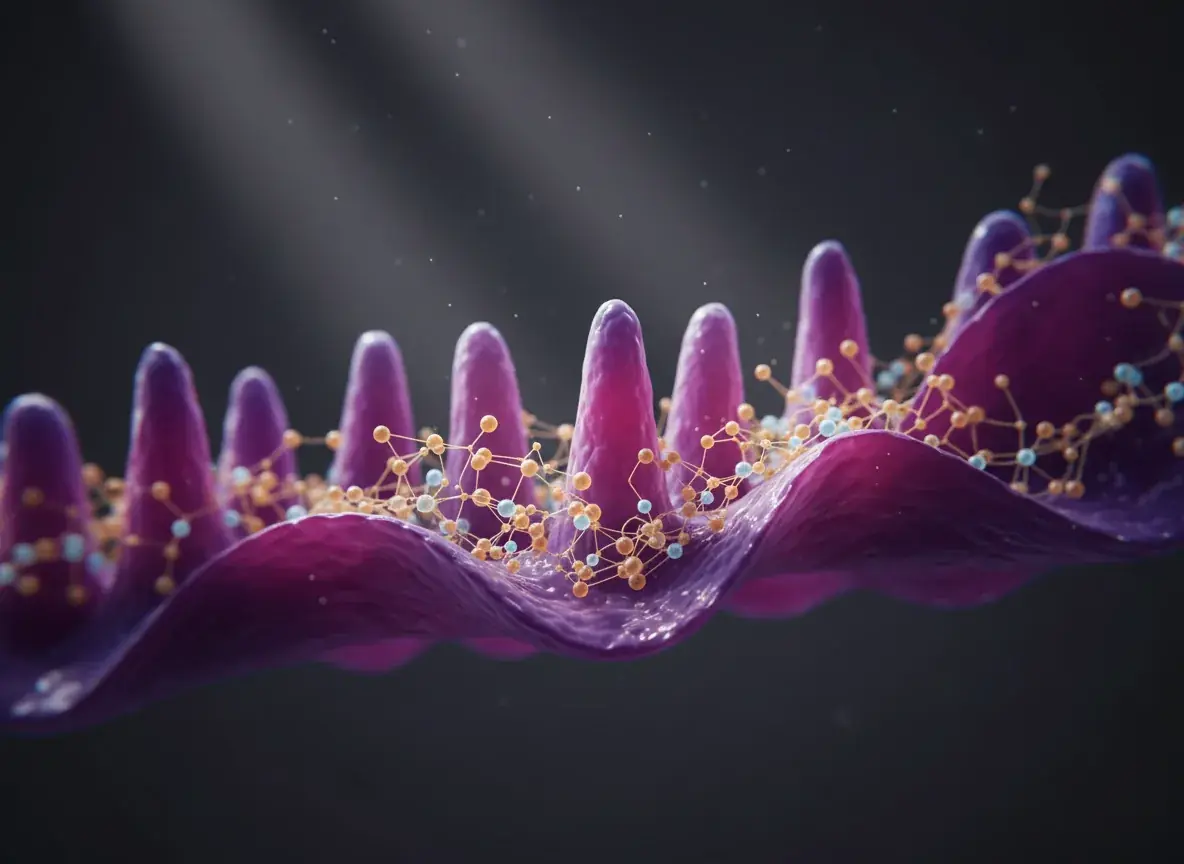
Understanding how appetite suppressants work starts with a reframe: hunger is not a measure of willpower, it is a stream of chemical and mechanical signals your body sends to protect its energy balance. When people say they "have no discipline" around food, those signals are usually firing hard and often. A well-designed appetite suppressant does not fight your biology with sheer grit. It nudges the same fullness pathways your body uses at the end of a satisfying meal, so satisfaction arrives sooner and lasts longer. Once you see the three mechanisms behind it, the marketing gets easier to read.
Hunger is chemistry, not character
Appetite is governed by a conversation between your gut, your blood and your brain. Stretch receptors in the stomach wall report how physically full you are. Hormones released by the gut and pancreas report what you have eaten and how your energy stores look. Blood glucose reports whether fuel is arriving steadily or in spikes. Your brain, mostly the hypothalamus, reads all of it and decides whether to make you feel hungry or satisfied. Every legitimate appetite suppressant works by influencing one or more nodes in that conversation. The difference between a gentle, sustainable approach and a jittery one comes down to which node it targets.
Broadly, there are two families. Stimulant-based products push the brain's arousal chemistry so appetite feels smaller because your nervous system is revved up. Fiber-and-satiety products work lower down the chain, on the stomach, the gut hormones and blood sugar. The second family is slower to feel dramatic but far easier to live with.
Mechanism one: soluble fiber and gastric stretch
The most physical of the three mechanisms is the simplest to picture. Soluble fiber is a type of carbohydrate your body cannot digest, and its defining trick is that it absorbs many times its own weight in water — MedlinePlus describes the same soluble-fibre mechanism. Swallow it with a glass of water and it forms a soft gel in your stomach. That gel takes up space. Space in the stomach means the stretch receptors in the stomach wall fire, and those receptors send a satiety message up the vagus nerve to the brain. In plain terms, part of your stomach reports that a meal has arrived before you have eaten much of one.
Glucomannan, from the konjac root, is the fiber most often cited for this effect because it forms an especially thick gel; the NCCIH overview of dietary and herbal supplements is the place to check what has and has not been tested for any given one. It is the textbook example when people explain how appetite suppressants work through volume. But it is not the only fiber that does the job. Prebiotic soluble fibers such as inulin from chicory root, and slowly fermenting starches such as potato resistant starch, add their own volume and, crucially, do a second job that glucomannan does not do as well, which we will get to under mechanism two.
The gel does more than fill space. Because it thickens the contents of the stomach and slows how fast they empty into the small intestine, it stretches the whole meal out over more time. Slower stomach emptying means you stay physically full for longer after eating, not just during the meal. This is the honest, mechanical reason a fiber dose before eating can make a normal plate of food feel like enough.
Mechanism two: protein, GLP-1 and the satiety hormones
The second mechanism is hormonal, and it is where the science has moved fastest in recent years. Your gut releases hormones that tell the brain to stop eating. The two most talked about are GLP-1, the same pathway the newest prescription weight medicines amplify, and PYY, which builds a longer sense of fullness after a meal. You do not need an injection to nudge these signals in a smaller, gentler way. Two things in ordinary food and supplements raise them: protein, and the short-chain fatty acids your gut bacteria produce when they ferment soluble fiber.
Protein is the most satiating of the three macronutrients, calorie for calorie. A meal built around protein triggers a stronger and longer GLP-1 and PYY response than the same calories from refined carbohydrate. That is why a protein-forward breakfast tends to hold hunger off until lunch while a sugary one leaves you rummaging by ten in the morning. This is not a supplement claim, it is basic nutrition, and it is the reason any sensible appetite plan starts with protein at each meal.
Fermentable fiber gets to the same hormones by a different road. When soluble fibers like inulin and resistant starch reach the large intestine undigested, your gut bacteria ferment them and produce short-chain fatty acids such as butyrate. Those compounds stimulate the same L-cells that release GLP-1 and PYY. In other words, feeding your gut bacteria the right fiber turns your own microbiome into a small, steady producer of satiety signals. This is the mechanism a fiber-first formula is really built around, and it is why the fibers it contains matter more than the label's adjectives.
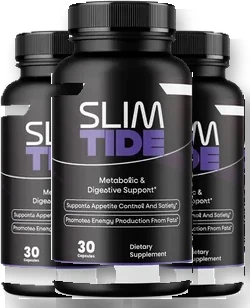
Want a fiber-first formula built around these mechanisms?
SlimTide is a stimulant-free blend of prebiotic soluble fibers, including chicory root inulin and potato resistant starch, designed to work on gastric stretch and gut-driven satiety rather than on your nervous system. We grade the doses against the research on our full breakdown, and if you are ready to see the manufacturer's current offer, it is here.
See the Official SlimTide Offer
Affiliate link. We may earn a commission at no additional cost to you.
Mechanism three: steadier blood sugar and fewer cravings
The third mechanism is the one people feel most and understand least. A craving is often not hunger at all. It is your blood sugar falling after a spike. Eat a fast-digesting carbohydrate on its own and glucose rises quickly, insulin rises to meet it, and the two overshoot, leaving blood sugar lower than where it started. That dip is read by the brain as an urgent need for more fuel, usually more of the same fast carbohydrate. That is the cycle behind the mid-afternoon vending-machine pull and the late-night snack that has nothing to do with genuine hunger.
Soluble fiber flattens that curve. By thickening the meal and slowing stomach emptying, it slows how fast glucose is absorbed, so the rise is gentler and the crash that follows is smaller or absent. Fewer crashes mean fewer of the false cravings that crashes create. This is the quiet, cumulative benefit of fiber-based appetite support: not a dramatic loss of appetite, but the disappearance of the specific between-meal urges that derail an otherwise reasonable day of eating.
How appetite suppressants work best when the three combine
The three mechanisms are not competitors. They stack. This is the practical answer to how appetite suppressants work at their best: fiber adds volume and stretch, that same fiber and your protein intake raise satiety hormones, and the slowed digestion keeps blood sugar steady so cravings do not sabotage the effort. A stimulant can bolt an artificial appetite drop on top of all that, but it does so at the cost of the jitters, the racing heart and the wrecked sleep we cover in our guide to weight-loss supplement side effects. The fiber-and-satiety route delivers three reinforcing effects with a much softer landing.

Three myths worth clearing up
Myth: an appetite suppressant should make you feel no hunger at all
This is the expectation stimulant marketing set, and it is the wrong bar. Feeling zero hunger usually means your nervous system is overstimulated, which is not a sustainable state. A fiber-based approach aims for normal hunger that arrives on schedule, is satisfied by a normal amount of food, and does not spike into cravings between meals. Judge fiber by the stimulant's yardstick and you will wrongly conclude it did nothing.
Myth: more is always better
Soluble fiber follows a dose-response curve with a ceiling. Too much too fast, especially without enough water, causes the bloating and gas that give fiber a bad name. The right approach is the labelled dose, taken with a full glass of water, ramped up gently if you are new to added fiber. Doubling the scoop does not double the satiety, it just doubles the discomfort.
Myth: fiber is fiber
The word covers very different molecules. Insoluble fiber, like wheat bran, aids regularity but does not gel and does little for appetite. The soluble, fermentable fibers are the ones that create gastric stretch and feed the satiety-hormone pathway. When you compare a natural appetite suppressant that actually works against one that does not, the difference is almost always the type and dose of fiber, not the size of the claims.
How to take a fiber-based appetite suppressant so it works
Mechanism only matters if you use the product in a way that lets the mechanism happen. A few rules cover most of it.
| Step | Why it matters |
|---|---|
| Take it 30 to 40 minutes before a meal | Gives the fiber time to absorb water and gel before food arrives, so the stretch effect is in place when you eat |
| Use a full glass of water, every time | Fiber needs water to gel and to move safely through the gut; taking it dry is the main cause of discomfort |
| Start with the labelled dose | Lets your gut and microbiome adjust and avoids the early bloating that makes people quit too soon |
| Pair it with protein at meals | Adds the second satiety-hormone lever so the two mechanisms reinforce each other |
| Be consistent, daily | The blood-sugar and microbiome benefits build over weeks, not from a single dose |
Hydration is not an optional extra here, it is a safety requirement. Soluble fiber that meets too little water can thicken in the wrong place. Taken correctly, with plenty of fluid, it is one of the gentlest tools in the whole weight-management category. If you want a realistic sense of the timeline once you start, our piece on how long SlimTide takes to work lays out what to expect week by week.
Where this leaves you
Appetite suppression is not magic and it is not willpower in a capsule. It is three understandable levers: volume from soluble fiber, satiety hormones from protein and fermentation, and steadier blood sugar that erases false cravings. A stimulant-free, fiber-first formula like SlimTide pulls those levers without touching your nervous system, which is what makes it something you can take every day. Take it before meals with water, back it with protein, and give the slower mechanisms the few weeks they need. That is the honest picture of how appetite suppressants work.
Common questions
How do appetite suppressants make you less hungry?
They work on the physical signals your body already uses to end a meal. Soluble fiber absorbs water and swells, which adds gentle volume and stretch in the stomach that the vagus nerve reads as fullness. Fermented fiber and protein then raise satiety hormones such as GLP-1 and PYY, and steadier blood sugar keeps hunger from spiking between meals. The result is that you feel satisfied on less food rather than forcing willpower.
Do appetite suppressants really reduce cravings?
Cravings are often driven by blood-sugar swings rather than true hunger, so anything that flattens those swings tends to soften cravings too. Soluble fiber slows the release of sugar from a meal, which reduces the sharp rise and crash that sends people looking for a snack an hour later. A fiber-first formula is a support for that mechanism, not a switch that turns appetite off, and it works best alongside protein and balanced meals.
How fast do appetite suppressants work?
Fiber-based appetite support can change how full a single meal feels within the first few days, because the gastric-stretch effect happens as soon as the fiber gels in your stomach. The steadier appetite and fewer between-meal cravings usually build over two to four weeks as your routine and your gut bacteria adjust. Fat loss is a separate and slower process that follows the calorie deficit these habits make easier to keep.
Can you take appetite suppressants every day?
Fiber-based appetite support is designed for daily use, and consistency is actually what makes it work, since the satiety and blood-sugar benefits depend on taking it before meals each day. Stimulant-based products are the ones people cycle off, because tolerance and sleep disruption build up. Whichever type you use, start with the labelled dose, drink a full glass of water with it, and check with a doctor if you take medication or have a health condition.
References and further reading
- NIH Office of Dietary Supplements — dietary supplement fact sheets
- NCCIH (NIH) — dietary and herbal supplements
- Harvard T.H. Chan School of Public Health — The Nutrition Source: fiber
- Mayo Clinic — dietary fiber: essential for a healthy diet
- Hobden MR et al. — The effect of soluble fiber dextrin on subjective and physiological markers of appetite: a randomized trial (Nutrients, 2020)
General information, not medical advice. These statements have not been evaluated by the Food and Drug Administration, and no dietary supplement is intended to diagnose, treat, cure or prevent any disease. Speak to a qualified healthcare professional before changing what you take.
If the three mechanisms make sense and you want a stimulant-free, fiber-first formula built around them, the manufacturer's official store is the safest place to buy. Compare the fiber doses against the research first, then decide.
Affiliate link. Salimtide Evidence Room earns a commission on purchases made through it, at no extra cost to you. We are not the manufacturer.