SlimTide vs Berberine for Weight Loss: Is Berberine Really Nature's Ozempic?
Is berberine really nature's Ozempic?
No. Ozempic is a prescription GLP-1 medicine with large trials showing about fifteen percent weight loss over sixteen months. Berberine for weight loss rests on small, short, low-quality studies reporting roughly five to ten pounds in eight weeks, often with diarrhea. It is a modest metabolic helper, not a plant version of a prescription drug.
- The evidence gap is enormous — Ozempic's trials dwarf berberine's in size, length and rigour.
- GI side effects are common — diarrhea, cramping and gas are the usual price of high-dose berberine, and the NIH Office of Dietary Supplements review of weight-loss supplements is the sober counterweight to the viral clips.
- SlimTide takes a broader route — prebiotic fibre for appetite plus metabolic support, without stimulants.
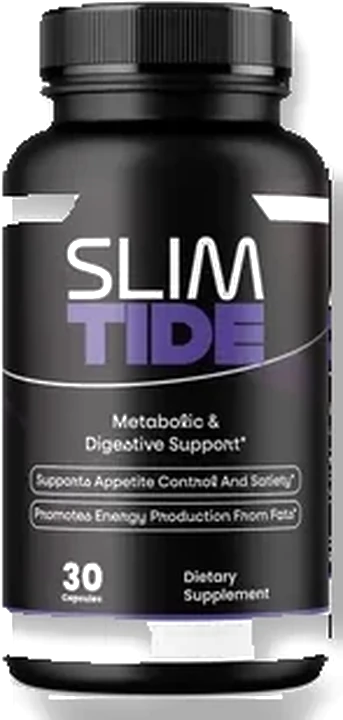
Type berberine for weight loss into a search bar and you fall straight into the internet's favourite supplement fairy tale. Video after video calls it "nature's Ozempic", a plant that supposedly melts fat the way a prescription injection does, for a fraction of the price and with none of the needles. The phrase is searched roughly forty thousand times a month and the trend line is still rising. It is a brilliant piece of marketing. It is also, when you hold it up against the actual research, a serious stretch. This article compares the berberine hype to a broader formula — SlimTide — and explains why the honest verdict on berberine is "modest and messy" rather than "miraculous".
We are an affiliate publisher, and we will link you to the SlimTide offer more than once below, clearly marked. But the point of this piece is not to swap one exaggeration for another. It is to give you a realistic picture of what a single plant compound can and cannot do, so that whatever you decide to buy, you decide it with clear eyes.
Where the "berberine for weight loss" boom came from
Berberine is not new. It is a bright-yellow alkaloid found in plants such as goldenseal, barberry and Oregon grape, and it has been used in traditional systems of medicine for centuries, and traditional use is not efficacy data — a distinction NCCIH makes explicitly for herbal supplements. What is new is the packaging. When GLP-1 drugs like Ozempic and Wegovy became cultural phenomena, the demand for a cheaper, over-the-counter shortcut exploded overnight. Berberine, which already had a reputation among supplement enthusiasts for blood-sugar support, was the nearest thing at hand. Someone called it "nature's Ozempic", the phrase went viral, and a decades-old compound became the year's must-have.
It helps to understand why the nickname stuck. Berberine genuinely does influence a metabolic pathway. It activates an enzyme called AMP-activated protein kinase, or AMPK, which is sometimes described as a cellular "energy sensor". Activating AMPK can improve the way cells handle glucose and fat, which is a real mechanism and a real reason to study the compound. The problem is the leap from "influences an energy-sensing enzyme in a petri dish and in small studies" to "works like a drug that reprograms appetite hormones across the whole body". Those are not the same claim, and the marketing quietly collapses the distance between them.
What the berberine for weight loss evidence actually shows
Here is the part the viral clips skip. When independent bodies review the berberine trials, they reach a consistent and much more sober conclusion. Reporting from outlets such as TIME, and clinician commentary echoed by sources like the Mayo Clinic, points to the same pattern: a dose-response meta-analysis of berberine and obesity indices pooled them and found an effect that is statistically detectable and clinically small. The studies that show weight loss are small, they are short, and many are of low methodological quality.
In practice, the better trials tend to report something in the region of five to ten pounds lost over roughly eight to twelve weeks, frequently in people who also have metabolic conditions such as type 2 diabetes or polycystic ovary syndrome. That is not nothing. For someone whose main issue is blood-sugar regulation, a compound that nudges weight and waist circumference downward while improving glucose markers is worth a conversation with a doctor. But look at the shape of the evidence: dozens of participants rather than thousands, a couple of months rather than a couple of years, and study designs that a rigorous reviewer would flag for bias. When trials are that small and that brief, apparent effects can shrink or disappear once someone runs a larger, longer, better-controlled version.
Berberine's problem is not that it does nothing. It is that its evidence base is a handful of small, short studies wearing a headline built for a blockbuster drug.
There is also the matter of consistency. Because the trials differ so much in dose, duration, formulation and population, the results scatter. Some show a clear effect, some a marginal one, some almost none. That scatter is exactly what you expect from a genuinely modest intervention studied under weak conditions — and it is the opposite of the clean, reproducible signal you would demand before calling anything "nature's Ozempic".
Prefer appetite help over another gut-churning capsule?
If the real reason you want a supplement is that you eat when you are not hungry, a single blood-sugar molecule was never the right tool. SlimTide is built around prebiotic fibre that supports fullness, paired with stimulant-free metabolic support — a gentler starting point than high-dose berberine.
See the Official SlimTide Offer
Affiliate link. We may earn a commission at no additional cost to you.
The side effect the hype videos leave out
Ask anyone who has actually taken a full dose of berberine and one word comes up fast: bathroom. Digestive upset is the most commonly reported side effect, and diarrhea in particular is so frequent that it has become a running joke in supplement communities. Cramping, constipation, gas and stomach pain round out the list. The reason is mechanistic rather than accidental — berberine acts directly on the gut and its microbes, so the same activity that gives it metabolic effects also disturbs digestion, especially at the doses used in studies, which are usually split across the day precisely to make them tolerable.
There is a second, quieter concern that matters more than the discomfort: interactions. Berberine affects the same liver enzymes (the cytochrome P450 family) that metabolise a large number of prescription medications. It can amplify the effect of blood-sugar-lowering drugs, potentially pushing glucose too low, and it may interact with blood pressure medication, blood thinners and others. Supplement quality is also uneven; because these products are not reviewed for effectiveness before sale, potency and purity vary from bottle to bottle. If you are pregnant, nursing or taking any regular medication, berberine is squarely a talk-to-your-clinician-first compound, not a casual add-to-cart.

Berberine vs Ozempic: not the same league
To see why the nickname is misleading, put the two side by side honestly. Ozempic (semaglutide) is a GLP-1 receptor agonist, a prescription medicine that mimics a gut hormone which regulates appetite and blood sugar. Its weight-management evidence comes from large, randomised, placebo-controlled trials running well over a year, with results in the region of fifteen percent of body weight lost — and it carries its own significant side effects, cost, and medical supervision. Whatever you think of it, it has been tested at a scale and rigour that puts it in a different category entirely.
Berberine mimics none of that hormonal machinery. It works through AMPK and effects on the gut, not through the GLP-1 receptor, so it is not even a "natural version" of the same mechanism — it is a different compound doing a different, smaller thing. Comparing a five-to-ten-pound, eight-week, small-study result to a fifteen-percent, sixteen-month, large-trial result and calling them the same thing is not a comparison. It is a marketing sleight of hand. Understanding this distinction is also the foundation for judging every weight-loss product you will meet, which is why our guide to how appetite suppressants actually work in the body is worth reading before you spend a cent on any of them.
Where SlimTide fits: a broader formula, not a single molecule
SlimTide takes a deliberately different bet from the berberine crowd. Instead of leaning on one compound to force a metabolic outcome, it pairs metabolic support with appetite control, and it does so through prebiotic fibre such as inulin, chicory root and resistant starch rather than stimulants. That design targets the thing most people actually struggle with, which is not their AMPK enzyme — it is hunger, snacking, and the gap between meals.
The logic is straightforward. Soluble and fermentable fibres add bulk, slow gastric emptying and feed the gut microbes that help regulate appetite signalling, which can make it easier to feel satisfied on less food. That is a gentler, more sustainable lever than a molecule whose most reliable effect at study doses is loosening your bowels. It also sidesteps the stimulant trap entirely: no jittery afternoons, no racing heart, no tolerance spiral. For readers who specifically want appetite help without caffeine or harsh actives, we cover the category in detail in our rundown of a stimulant-free natural appetite suppressant that actually holds up.
None of this makes SlimTide a magic bullet, and we will not pretend otherwise. Like every product in this space it is a dietary supplement, not a drug, and it is not intended to diagnose, treat, cure or prevent any disease. The finished formula has not been tested in its own clinical trial — a limitation it shares with berberine capsules, protein shakes and virtually every supplement on the shelf. What it offers is a more comfortable, more targeted approach to the real problem for many people, backed by a sixty-day money-back guarantee that lets you judge it against your own appetite rather than a viral headline.

SlimTide vs berberine at a glance
The table below is not a claim that one beats the other on every axis — it is a map of what each is actually built to do, so you can match the tool to your goal.
| Factor | Berberine | SlimTide |
|---|---|---|
| Main target | Blood-sugar and metabolic markers via AMPK | Appetite and satiety via prebiotic fibre, plus metabolic support |
| Weight-loss evidence | Small, short, low-quality trials (~5–10 lb / 8 wk) | No finished-product trial; ingredient-level rationale for fibre and satiety |
| Typical side effects | Diarrhea, cramping, gas; drug interactions | Mild, transient gas or bloating as fibre intake rises |
| Stimulants | None (but strong GI activity) | None |
| "Nature's Ozempic" claim | Overstated — not comparable to GLP-1 results | Makes no such claim |
| Guarantee | Varies by seller | 60-day money-back guarantee direct from the manufacturer |
Answering the objections you are probably thinking
"But my friend lost weight on berberine." Very possibly — and we would never tell someone their own experience did not happen. Individual results in a modest, variable intervention can look impressive, especially when they coincide with the diet and activity changes people often start at the same time. The issue is not whether berberine can ever help one person; it is whether "nature's Ozempic" is a fair description of a compound whose average, study-level effect is small and inconsistent. Anecdotes are real. They are just not evidence of a drug-like effect.
"Isn't a plant compound safer than a supplement blend?" Natural does not mean gentle, and single-compound does not mean simpler. High-dose berberine has one of the more notable side-effect and interaction profiles in the popular-supplement world. A well-formulated fibre-led product is, for most people, easier on the body, with the main adjustment being a temporary uptick in gas as your gut adapts to more fermentable fibre. If side-effect risk is your priority, the maths often runs the opposite way to the intuition.
"If SlimTide has no trial either, why not just take the cheaper berberine?" Fair question, honestly asked. The answer is fit. If your goal is blood-sugar support and a doctor is on board, berberine is a legitimate thing to discuss. If your goal is to stop grazing and feel full on sensible portions without stimulants, a fibre-and-metabolic formula is built for that job and comes with a guarantee that lets you test it risk-light. Buy the tool that matches your actual problem, not the one with the loudest nickname. Our full SlimTide review covering whether it works and who it suits goes deeper on exactly that.
Common questions
Is berberine really nature's Ozempic?
No, and the comparison is misleading. Ozempic is a prescription GLP-1 medicine studied in large randomised trials that show roughly fifteen percent body-weight loss over sixteen months. Berberine is a plant compound whose weight-loss studies are small, short and methodologically weak, typically reporting five to ten pounds over about eight weeks. Calling berberine nature's Ozempic implies an equivalence the evidence does not support.
Does berberine work for weight loss?
The honest answer is modestly and unreliably. Several small trials show berberine can nudge weight and waist measurements downward and improve some blood-sugar markers, but the studies are short, small and often low quality, and effects vary widely between people. It is a plausible metabolic helper, not a proven weight-loss drug, and it works best alongside diet and activity rather than instead of them.
What are berberine's side effects?
Digestive upset is the most common complaint, especially diarrhea, cramping, constipation and gas, because berberine acts directly on the gut. It can also interact with common medications, including some for blood sugar and blood pressure, since it affects the same enzymes that metabolise many drugs. Anyone pregnant, nursing or on regular medication should speak to a clinician before trying it.
Is SlimTide better than berberine?
They are built for different jobs. Berberine is a single molecule aimed largely at blood-sugar and metabolic markers. SlimTide is a stimulant-free formula that pairs prebiotic fibre for appetite and satiety with broader metabolic support, so it addresses hunger as well as metabolism. Better depends on your goal, but for people who mainly struggle with appetite, a fibre-led formula is a more comfortable fit than high-dose berberine.
Related reading
References and further reading
- Mayo Clinic — drugs and supplements reference
- NIH Office of Dietary Supplements — dietary supplements for weight loss
- NCCIH (NIH) — dietary and herbal supplements
- Asbaghi O et al. — The effect of berberine supplementation on obesity indices: a dose-response meta-analysis of randomized controlled trials (Complementary Therapies in Clinical Practice, 2020)
- Harvard T.H. Chan School of Public Health — The Nutrition Source: fibre
General information, not medical advice. These statements have not been evaluated by the Food and Drug Administration, and no dietary supplement is intended to diagnose, treat, cure or prevent any disease. Speak to a qualified healthcare professional before changing what you take, especially if you use prescription medication.
The kindest thing you can do for yourself in a market this noisy is to buy for your actual problem. If that problem is appetite — grazing, portion creep, feeling hungry an hour after a meal — a stimulant-free, fibre-led formula fits it far better than a molecule whose loudest reliable effect is gastrointestinal. You can weigh SlimTide against your own hunger for sixty days, direct from the manufacturer, below.
Affiliate link. Salimtide Evidence Room earns a commission on purchases made through it, at no extra cost to you. We are not the manufacturer.