How to Store Gut Health Supplement Brands So They Keep Potency
Quick Answer: Where Should You Keep a Gut Supplement?
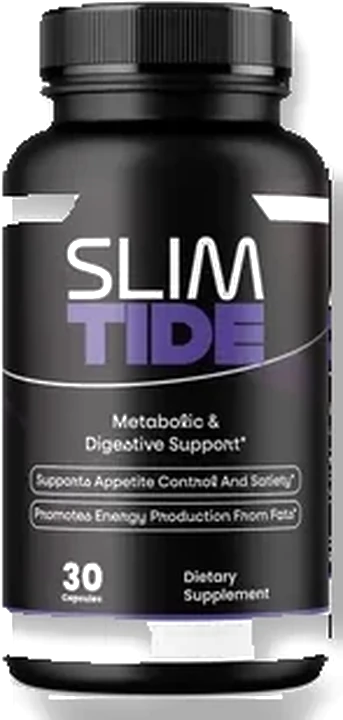
Keep it in a cool, dry, dark place with the cap screwed shut — a bedroom drawer or a high kitchen cupboard away from the stove, not the bathroom cabinet and not the car. Heat and humidity are what degrade a capsule, and both arrive long before the printed expiry date does. If the label asks for refrigeration, as the SlimTide label does, the fridge is the better default and the cap still has to be tight.
- Worst spots: bathroom shelf, windowsill, above the hob, glovebox.
- Best spots: a dark drawer at room temperature, or the fridge when the label says so.
- Keep the desiccant sachet in the bottle and the lid closed tight between doses.
Why storage beats the date on the bottle
Almost everybody reads the expiry date and almost nobody reads the storage line printed two inches above it. That is backwards. The date is a promise the manufacturer makes on a condition — NCCIH makes the same point about probiotics specifically, where the count on the label is only meaningful if the product has been kept as directed — that the product has been kept the way the label asks. Break the condition and the date stops meaning very much, because stability testing is run in controlled chambers at set temperatures and set humidity, not in the cabinet above a kettle.
Nothing here is exotic chemistry. Four things degrade a capsule: heat, moisture, light and oxygen. Every one of them is a variable you personally control, for free, by choosing a shelf. That makes storage the highest-return habit in the whole category — more consequential than the brand on the label, and certainly more consequential than the order in which you take things. When people compare gut health supplement brands they argue about strains and doses, then keep the bottle somewhere that undoes the difference within a couple of months.
The four things that degrade a capsule
Heat
Chemical reactions speed up as temperature rises — that is a rule, not a marketing claim. Warmth accelerates oxidation of oils, breakdown of vitamins and, most relevant here, the die-off of live organisms — a review of probiotic survival after processing and during storage traces exactly that loss. A cupboard next to an oven or a bag left in a hot car can hit temperatures far above anything a stability test allowed for, and there is no visible sign afterwards. The capsule looks identical. That is the difficulty with heat damage: it is entirely invisible and entirely permanent.
Humidity
Moisture is the one most people underestimate. Water is the medium that lets degradation reactions happen at all, and several ingredients used in gut formulas are hygroscopic — they pull water out of the air. The NIH Office of Dietary Supplements fact sheets are the place to check whether a given ingredient is moisture- or light-sensitive at all. Inulin from chicory root is a good example: as a raw powder it will happily draw in humidity and clump. Inside a sealed capsule in a sealed bottle it is protected, but every time the lid comes off in a steamy bathroom, damp air goes in with it.
Light
Ultraviolet and visible light drive photodegradation in sensitive compounds, which is precisely why supplement bottles are usually opaque or amber rather than clear. Decanting capsules into a pretty glass jar on the counter is a genuinely bad idea — it removes the light barrier and the moisture barrier in a single move, and it separates the capsules from the batch number and expiry printed on the original bottle.
Oxygen
Air exposure oxidises fats and some botanicals. There is little you can do about this beyond the obvious: close the bottle properly, do not leave it open on the counter while you make breakfast, and do not tip a week's worth into a pill organiser that spends seven days half-open on a windowsill.
An expiry date is not a prediction about your cupboard. It is a statement about what the ingredient should still measure at, assuming the storage conditions on the label were actually met.
Looking at the SlimTide formula itself?
We grade the ingredients and the doses against the research that exists for them, and we say plainly where it runs out. If you have already done that reading and want the official store rather than a marketplace listing, the offer page is here.
See the Official SlimTide Offer
Affiliate link. We may earn a commission at no additional cost to you.
What the SlimTide label actually asks for
It is worth reading a real storage line rather than a generic one, because the wording tells you what the manufacturer is worried about. The SlimTide panel says to keep the product away from heat, light and humidity to preserve freshness, adds that refrigeration is preferred for optimal quality, and repeats the standard instruction to store in a cool, dry place. It also carries the usual warning not to use the product if the safety seal is damaged or missing.
Two of those instructions are doing real work. "Refrigerate for optimal quality" appears on formulas that contain live organisms, and this one lists three of them alongside its prebiotic fibres — you can see the full panel on our SlimTide ingredient breakdown. "Away from humidity" matters because the same panel lists chicory root inulin and potato resistant starch, both fibres that are perfectly happy absorbing atmospheric water when they get the chance.
Live organisms are the fragile part
If a formula contains only minerals, storage is a modest concern. Once it contains live bacteria it becomes the main one. Bacterial cultures are counted at manufacture and they decline over time; heat and moisture make that decline steeper. This is why serious manufacturers add overage at the point of production — they put in more than the label claims so that the labelled count is still there at the end of shelf life, assuming the storage conditions were respected.
That assumption is the part you own. A bottle that spent a summer week in a delivery van, then a month on a warm shelf, has already spent some of its overage. Nothing about the capsule will tell you how much. This is also the honest answer to a question people ask constantly: no, you cannot verify potency at home. You can only avoid the conditions that destroy it.
Where people actually keep supplements, ranked
Here is the same advice as a table, because "cool and dry" means different things in different houses. Conditions below are typical rather than measured, and the point is the ranking, not the numbers.
| Storage spot | Typical conditions | Verdict | Why |
|---|---|---|---|
| Bathroom cabinet | Warm, repeated humidity spikes | Worst common choice | Every shower is a humidity cycle, and the bottle is opened during them |
| Car glovebox or handbag | Wide temperature swings, can get very hot | Avoid for storage | Interior heat far exceeds anything stability testing allows |
| Windowsill or open shelf | Direct light, warm afternoons | Poor | Light exposure plus heat, and usually a decanted clear container |
| Cupboard above the hob or kettle | Repeated heat and steam | Poor | Convenient for the routine, hostile for the capsule |
| Bedroom drawer or linen cupboard | Stable room temperature, dark, dry | Good default | Dark, low humidity, no heat source, out of reach of children |
| Refrigerator, cap tight | Cold, low but variable humidity | Best when the label asks for it | Slows organism die-off; needs a sealed bottle to keep condensation out |
| Freezer | Very cold, condensation on removal | Not recommended | Freeze-thaw cycles and condensation unless the label specifically says so |
What gut health supplement brands can and cannot control
A manufacturer controls the packaging, the desiccant, the overage and the cold chain up to dispatch. Some of that is visible to you and worth weighing when you are comparing gut health supplement brands: an opaque bottle rather than a clear one, an induction seal under the cap, a desiccant sachet inside, a batch number and expiry printed rather than stickered, and a storage line specific enough to be useful instead of the vague "store in a cool dry place" boilerplate.
What no brand controls is the last leg. Once the courier hands the parcel over, temperature history is yours. That is one of the quieter arguments for ordering from the official store rather than a third-party marketplace seller — not because the bottle is different, but because the storage history behind it is shorter and better documented. If you want the longer version of that argument, we wrote it up in spotting fake listings and diverted stock.
A two-minute routine that covers almost everything
- Read the storage line the day it arrives. Refrigerate, or do not, based on the panel rather than habit.
- Pick one dark, dry home for it and keep it there. Consistency beats optimisation.
- Leave the desiccant in. Take the cotton wad out after opening — it holds humidity once the seal is broken.
- Close the cap fully every time. A quarter turn short is an open bottle.
- Do not decant into clear jars or week-long organisers if the formula contains live organisms.
- Let a refrigerated bottle warm before opening so condensation forms on the outside rather than inside.
- Write the open date on the label and note the batch number before you bin the box.
One more thing belongs in that two minutes: read the other-ingredients line while you are looking at the panel anyway, because the shell material and flow agents decide how the capsule copes with humidity. We cover those in spotting fillers and flow agents on labels. Travelling is the exception worth planning for. Buying several bottles at once raises the same question, and if the money is coming out of a health spending account there is a tax rule to clear first — we cover it in using an FSA or HSA for supplements. For a trip, take what you need in the original bottle if you can, keep it in hand luggage rather than a hot boot or hold, and accept that a week of imperfect storage is a rounding error compared with a summer in a car.

What careful storage cannot do
This is the part that usually gets left out. Storing a supplement well preserves whatever was in the bottle. It does not add anything, and it cannot rescue a formula that was underdosed on the day it was made. If an ingredient is present at a fraction of the amount used in the research, a cold dark cupboard keeps that fraction intact and nothing more.
Nor does storage change the underlying evidence question. For most gut and metabolic formulas — including this one — there is research on individual ingredients and no published trial on the finished combination. Careful storage protects the ingredients; it does not create evidence for the product. And no storage practice makes a dietary supplement a treatment for a medical condition. These are foods in capsule form, not medicines, and anything promising otherwise has left the ground where the evidence is.
One more limit: you cannot inspect potency. A capsule that has been heat-damaged looks exactly like one that has not. There is no home test, no colour change and no smell. What you can do is control the inputs and stop guessing about the rest. If you want to think harder about how strong the underlying research is in the first place, our piece on judging supplement evidence by tier is the companion to this one.
Common questions
Does the bathroom cabinet really ruin supplements?
It is the worst common spot in the house. A shower pushes the room to high humidity several times a day, and every one of those cycles lets moisture into a bottle that gets opened daily. Moisture is what starts the chemistry that degrades a capsule, so a cool, dry cupboard away from the stove and the window is a meaningful upgrade.
Should a probiotic supplement be refrigerated?
Follow the label. Some formulas are stabilised to sit at room temperature and some ask for the fridge. The SlimTide label asks you to keep it away from heat, light and humidity and says refrigeration is preferred for optimal quality, so the fridge is the safer default for that one. If you do refrigerate, keep the cap tight and let the bottle warm before opening so condensation does not form inside.
Is a supplement dangerous after the expiry date?
Expiry on a supplement is a potency date rather than a safety cliff. The manufacturer is stating how long the labelled amount should still be present under proper storage. Past it, the likely outcome is less of the active ingredient and fewer surviving organisms rather than a hazard, but discard anything that smells off, looks discoloured or has clumped.
Should I throw away the little packet inside the bottle?
No. That sachet is a desiccant and its job is to absorb the moisture that enters every time you open the bottle. Leave it in until the bottle is finished, keep it dry, and never swallow it. The cotton wad is different: it is packing for transit and can hold humidity once the seal is broken, so it can be discarded after opening.
References and further reading
- NIH Office of Dietary Supplements — dietary supplement fact sheets
- NCCIH (NIH) — Probiotics: what you need to know
- Mayo Clinic — drugs and supplements reference
- Harvard T.H. Chan School of Public Health — The Nutrition Source: the microbiome
- Rokka S, Rantamaki P — Survival of microencapsulated probiotic bacteria after processing and during storage: a review (Critical Reviews in Food Science and Nutrition, 2016)
General information, not medical advice. These statements have not been evaluated by the Food and Drug Administration, and no dietary supplement is intended to diagnose, treat, cure or prevent any disease. Speak to a qualified healthcare professional before changing what you take.
Storage is the cheapest quality control you have, and it only matters once the bottle is genuine and the formula is worth keeping. If you have compared the panel against what the research supports and want to know where to buy gut health supplements from the manufacturer's own store rather than a resale listing, the official offer page is below.
Affiliate link. Salimtide Evidence Room earns a commission on purchases made through it, at no extra cost to you. We are not the manufacturer.